
 peli
peli Learning Woodworking in Hayama with a Veteran Furniture Craftsman

Hello, I’m Obara from Hayama Woodworks Studio. Today, I’d like to share the voices of students who are actually attending our woodworking class.
In Hayama, there is not only time spent enjoying the sea and mountains, but also quiet moments where you can work with your hands and reflect on yourself.
The “Woodworking Class” held at Hayama Woodworks Studio is a place that values exactly that kind of time.
By touching solid wood, carving it, thinking through each step, and shaping it with care, you experience the true essence of craftsmanship.
Here, we value not only the finished furniture, but also the process that leads to it.
Through the voices of our students, we’d like to share what makes this woodworking class so special.
Feature 1|You Don’t Have to Give Up on “Something That Fits Your Home Perfectly”
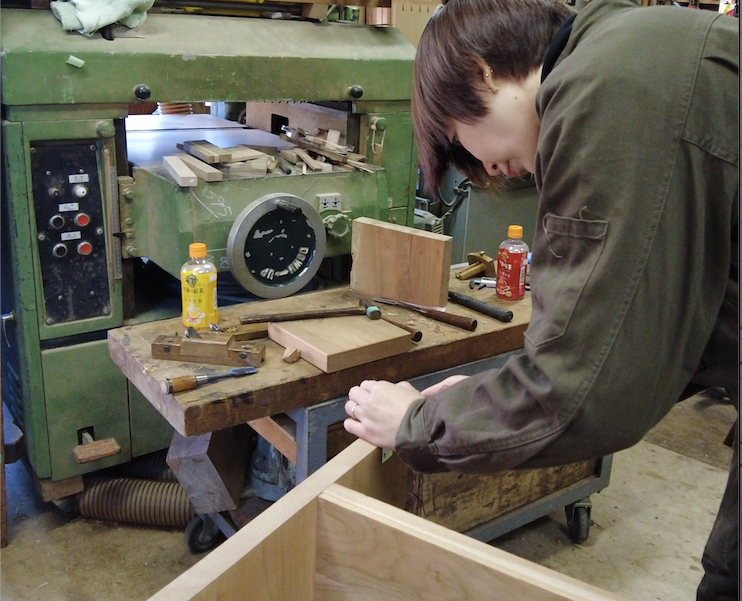
Mr. Sano, who attends our woodworking class, works as a designer.
His daily work mainly involves sitting in front of a computer, shaping ideas on a screen.
At the woodworking class, he is currently building a kitchen counter for the new home he recently moved into.
“I couldn’t find furniture that truly fit my home. So I thought, why not try making it myself?” he told us.
Actually touching the wood and thinking in three dimensions felt completely different from his usual design work.
Adjusting dimensions on the spot and shaping the piece while imagining how it will be used.
This process of using both the mind and hands at the same time has become a refreshing change of pace from desk work.
Instead of simply following drawings, adjusting and thinking as you work—that freedom is one of the joys of our woodworking class.
Feature 2|Wood Is Alive. Every Movement Teaches You Something
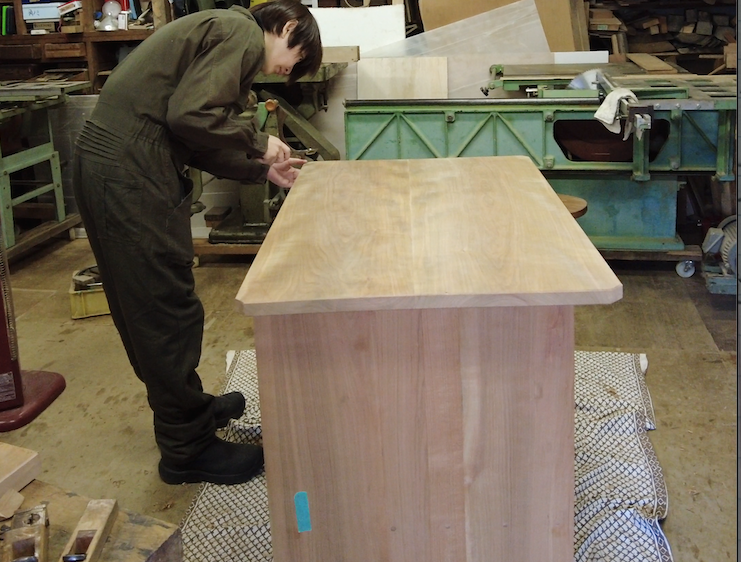
One phrase Mr. Sano repeated often was, “Wood feels like a living thing.”
A gentle tap can change how it fits, and a small shave can completely alter its expression.
Things don’t always go as planned, but each time, you stop to think about why—and search for the next step.
In the woodworking class, we don’t rush to “fix” mistakes.
Instead, we take time to understand why something happened.
That process of trial and error, while facing the material itself, gradually becomes part of your intuition.
In woodworking, there is no single right answer. Each person’s way of thinking and hand movements naturally appear in the final form.
Feature 3|It Doesn’t End at Completion. You Can Repair and Keep Using It
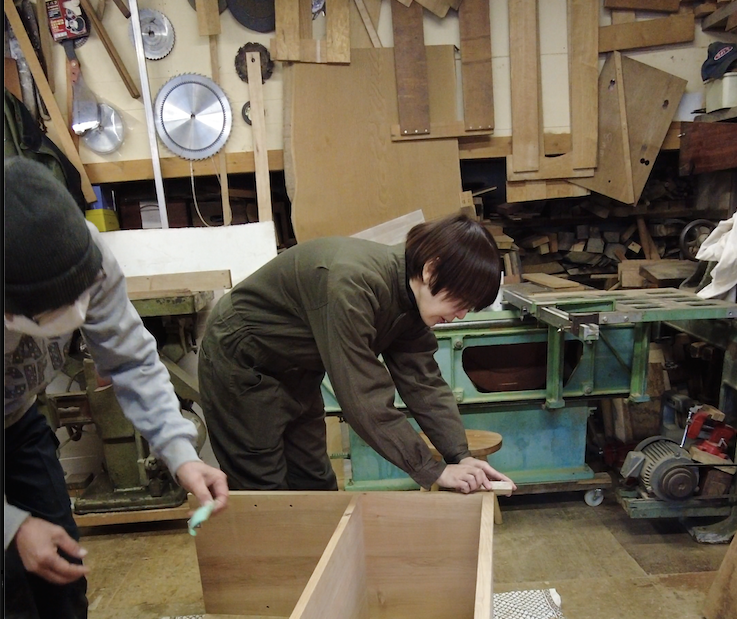
Mr. Sano shared another memorable thought.
“If I ever get tired of this shape, I’d like to take it apart and reuse it in a different way.”
The furniture made in our woodworking class is designed with long-term use in mind.
It’s not something that’s finished and forgotten.
As life changes, the shape can change too.
Because it can be repaired and reassembled, the furniture naturally grows more meaningful over time.
This way of thinking—valuing objects instead of discarding them—becomes second nature through woodworking.
Feature 4|A Moment to Clear Your Mind and Face Yourself
As you work with your hands, your thoughts gradually become quiet.
Focusing on the wood and tools in front of you creates distance from daily busyness.
Instead of constantly thinking, you begin to notice the movement of your hands and the response of the wood.
That’s when words like “It feels good knowing nothing goes to waste” naturally emerge.
The woodworking class is not only a place to make things, but also a place to reconnect with yourself.
Feature 5|The Presence of Veteran Furniture Craftsman Yasumasa Obara
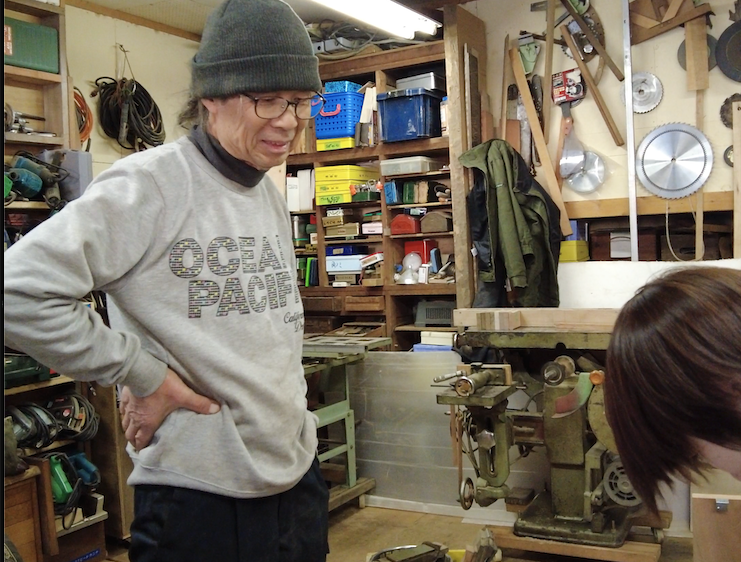
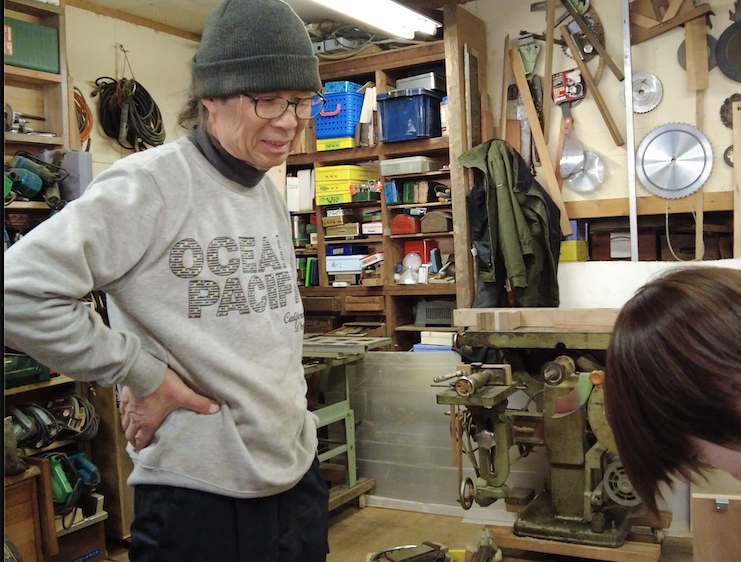
Supporting the woodworking class is instructor Yasumasa Obara.
A veteran furniture craftsman who has worked with wood for over 40 years.
He has produced hundreds of custom furniture pieces, handled repairs and remakes, and even worked on string instrument maintenance.
Despite his extensive experience, Obara’s teaching style is gentle and calm.
He carefully listens to each student’s desire to create, offering guidance without pressure.
Even if the final shape isn’t clear at the beginning, that’s perfectly fine.
You talk things through, think together, and gradually bring the piece to life.
This comfortable sense of distance is what creates the welcoming atmosphere of the woodworking class.
Feature 6|For Beginners and Those Who Want to Learn Seriously
Many participants in the woodworking class are complete beginners.
Most start by learning the names of tools and how to use them step by step.
Recently, more women have been joining, creating a relaxed and friendly atmosphere.
At the same time, the environment also supports those who want to build solid skills or pursue woodworking more deeply.
All tools are provided free of charge, so you can attend empty-handed.
Feature 7|More Than a Class: Small Wooden Items at the Shop
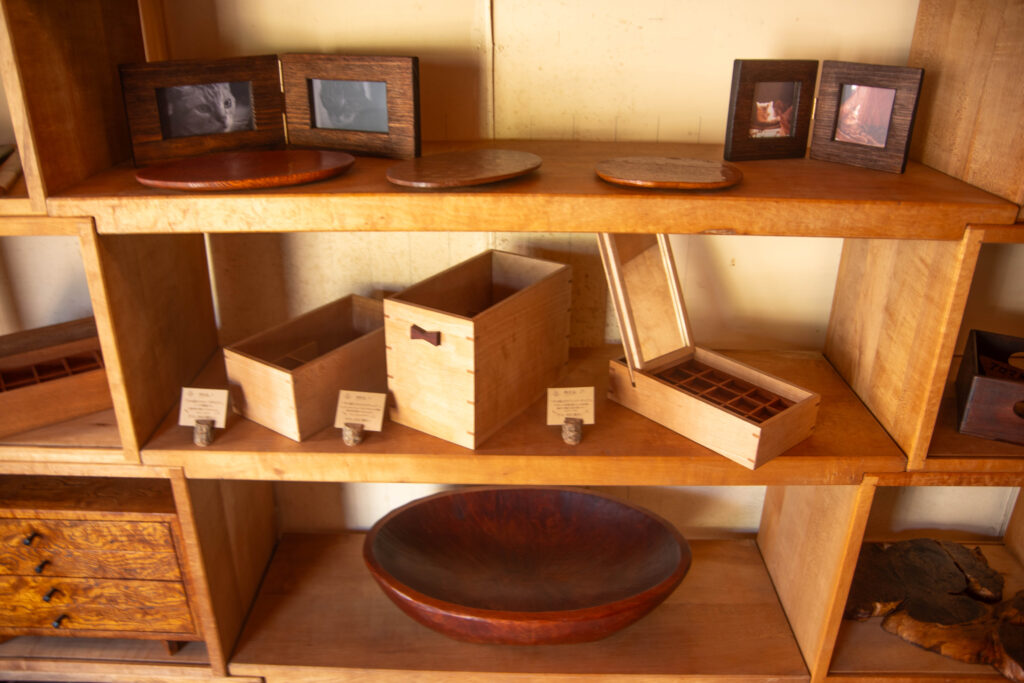
At the Hayama Woodworks shop, you’ll find not only the woodworking class, but also small wooden items and everyday tools.
Pieces that quietly fit into daily life, or items chosen as thoughtful gifts.
It’s a space where you can casually experience the warmth of wood.
Even if you’re not planning to join the class, you’re welcome to stop by the shop.
Please feel free to drop in while exploring Hayama.
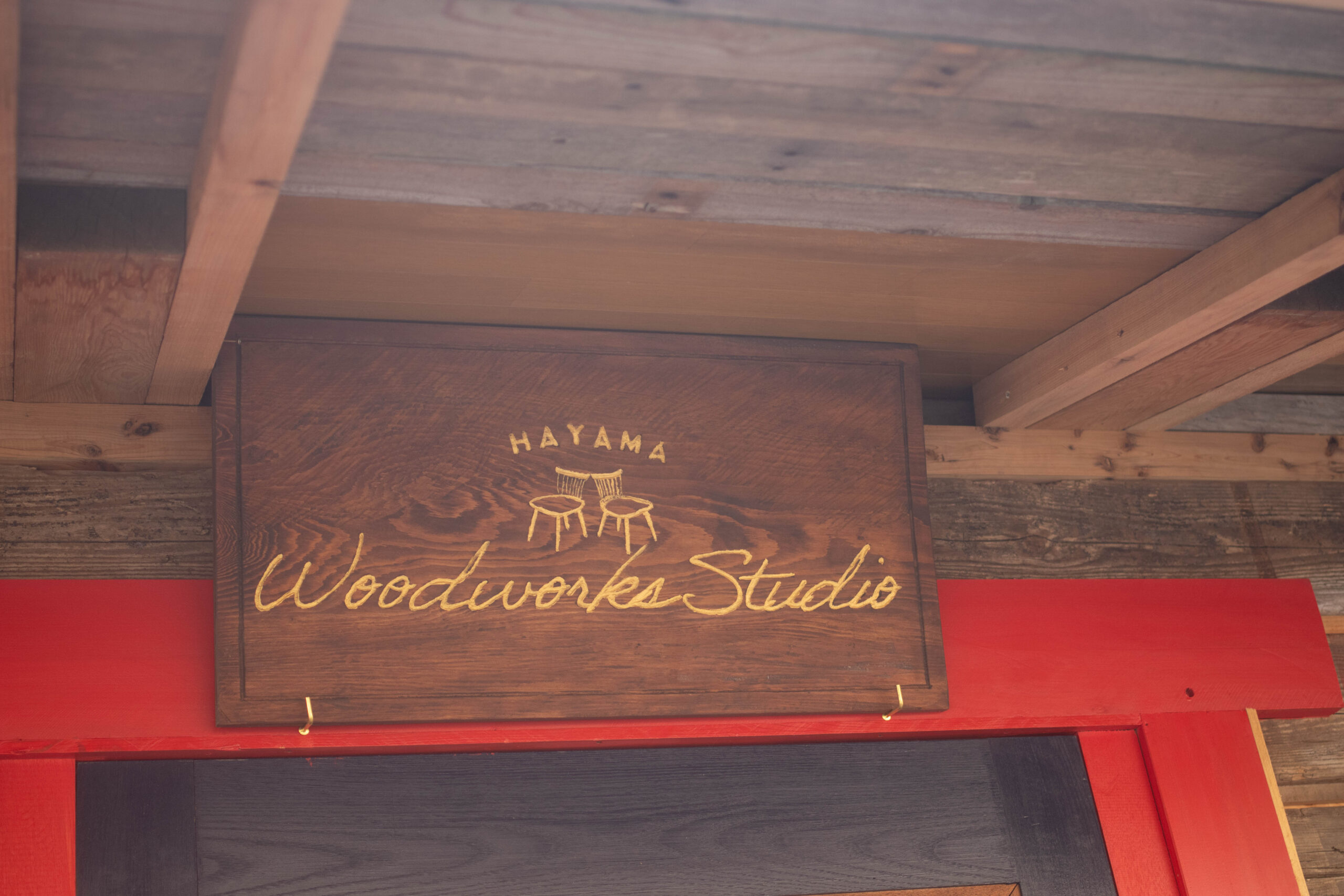
Hayama Woodworks|Shop Information
Hayama Woodworks
2974-3 Kamiyamaguchi, Hayama-machi, Miura-gun, Kanagawa 240-0111
(Across from FamilyMart Hayama-machi)
Phone: 090-3533-0772
Open: Thursday, Friday, Saturday
Hours: 12:00–18:00
Website: https://wood.hayama-studio.com
For inquiries about the woodworking class, please contact us via Instagram DM, the website contact form, or by phone.
Summary
Working with wood, moving your hands, and clearing your mind.
The woodworking class at Hayama Woodworks is not only a place to make furniture, but also a place to reflect on your lifestyle and values.
It’s an experience we highly recommend to anyone who values the process as much as the finished piece.
If this resonates with you, we invite you to visit Hayama Woodworks Studio.